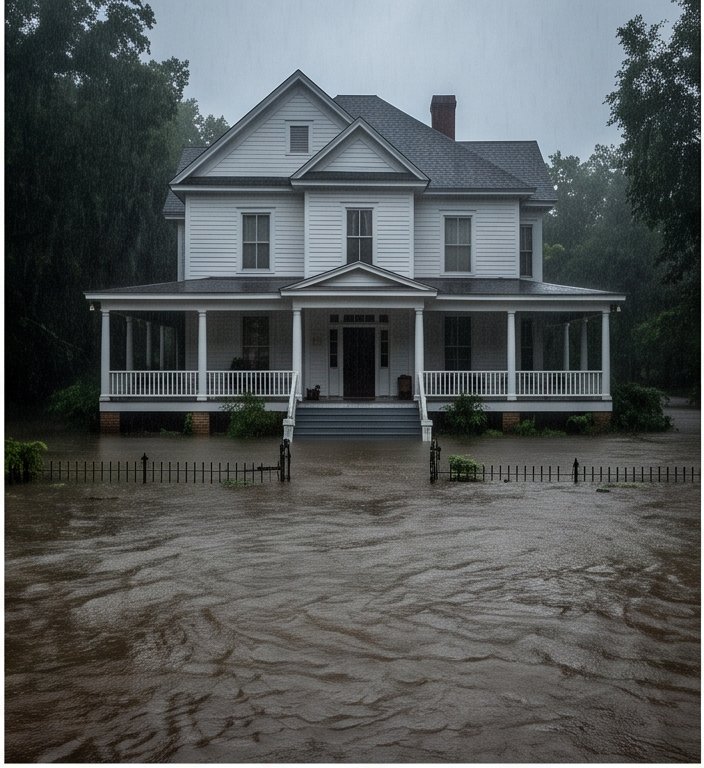
A leaking water heater. A cracked pipe. A bathroom that overflowed while you were at work. A sewage backup nobody saw coming. Or just a hard rain that found its way in somewhere it shouldn't have. However it starts, water damage rarely stays where it started — even a small leak can work its way under flooring or into a wall before anyone notices.
Gainesville Water Damage provides water damage restoration in Clermont, GA, for homeowners, landlords, property managers, and local businesses. We show up with an actual plan — fast cleanup, thorough drying, and repairs that hold up.
Clermont is a tight-knit Hall County community, only about three square miles, and that matters to us. When a home or business here gets damaged, the goal isn't just "get the water out." It's making the place feel like yours again.
Putting the Damage Behind You
Water damage has a way of making a familiar room feel unrecognizable overnight. Flooring lifts. Drywall goes soft. Paint bubbles. Belongings soak through before you can save them.
From the very first step, our cleanup process is aimed at one outcome: a finished space, not a half-fixed one.
We pull the standing water, check the areas you can't see, dry the structure properly, clean what's been affected, and repair anything that can't simply be dried and reused. When we're done, the room should look and function like the water damage never happened.
Why Waiting Makes Things Worse
Wet building materials don't stop deteriorating just because the leak has been fixed.
Drywall keeps losing strength. Wood keeps swelling. Flooring starts to separate. Carpet padding holds onto water long after the surface looks fine — and all of that dampness is exactly the kind of environment mold likes. The EPA recommends drying water-damaged materials within roughly 24 to 48 hours when possible, and that window is a big part of why we treat speed as non-negotiable.
Acting fast helps save materials that might otherwise be a total loss. But speed only gets you halfway — the property still needs to be dried carefully and monitored before anyone starts putting in new flooring or drywall.
Our Water Damage Services in Clermont
Emergency Water Extraction
We pull standing water out of affected rooms, basements, floors, and carpet, then move straight into structural drying.
Water Damage Restoration
From the first moisture check to the final repair, we manage the whole process. The plan always depends on where the water came from and what materials are involved.
Burst Pipe Cleanup
A broken or leaking pipe can send water behind walls and above ceilings without much warning. We trace where it traveled and dry the entire affected area, not just the spot where it surfaced.
Basement Flood Cleanup
A flooded basement can hit flooring, drywall, furniture, storage boxes, appliances, and mechanical equipment all at once. We inspect, extract, dry, and clean the whole space.
Sewage Backup Cleanup
Sewage water needs to stay away from people and pets, and porous materials that soak it up usually aren't safe to keep. The CDC notes that floodwater can carry sewage, bacteria, agricultural waste, and industrial contaminants — which is exactly why we don't cut corners on this type of job.
Storm Water Damage Restoration
Water gets in through roofs, windows, foundations, doors, and other exterior openings during a storm. We can start interior drying while permanent exterior repairs are still being scheduled.
Commercial Water Damage
Whether it's an office, a store, a workshop, a rental property, or a community space, we work to keep disruption low without skipping safe restoration practices.
Finding the Water You Can't See
The biggest visible puddle rarely tells the whole story.
Water can travel under flooring straight into the next room. It can soak the bottom edge of drywall without ever creating a visible stain. It can pool behind cabinets or settle deep inside insulation.
That's why moisture detection matters — it catches these hidden pockets before they get sealed behind new paint or flooring. We inspect the materials around the original source and follow the moisture's likely path through the building, so the drying plan covers the entire loss instead of just the part you can see.
How the Restoration Process Works, Start to Finish
Confirm the source is stopped. Sometimes that means bringing in a plumber, roofer, appliance tech, or septic professional before restoration can even begin.
Inspect and document. We walk the property and record what's been affected.
Extract. Standing water comes out, and furniture or belongings may get moved to give us access and protect what hasn't been damaged yet.
Evaluate. Some wet materials can be dried and kept. Others — too damaged or too contaminated — need to be removed.
Dry and monitor. Air movers and dehumidifiers go in throughout the space, and moisture readings track progress the whole way through.
Clean and repair. Once everything's dry, we clean the surfaces and move into repairs — drywall, flooring, trim, insulation, ceilings, paint, whatever the loss requires. FEMA's recovery guidance lines up with this same order: remove the damaged materials, clean the structure, and dry it thoroughly before any rebuilding starts.
Cleanup Alone Isn't the Finish Line
A space can be technically dry and still feel wrecked.
Missing flooring. Open wall cavities. Exposed insulation. Unpainted patches. None of that lets a family or a business actually move on. We treat repairs as part of the restoration itself, not something tacked on afterward — because the repair stage is what actually brings back the look, function, and comfort of the room.
Every job is different in scope, and we'll walk you through the repair plan directly. We move efficiently, but we won't cover up moisture that hasn't fully resolved just to finish faster.
What to Do During a Water Emergency
If it's safe, shut off the water supply or stop the leaking fixture, and move any dry valuables out of the affected area.
Photograph the water, the damaged materials, and your belongings before cleanup starts.
Stay away from electrical hazards — never use electrical appliances or tools while standing in water, and never try to turn power on or off yourself inside a flooded area (the CDC is specific about this one).
Don't stand underneath a sagging ceiling, and keep kids and pets away from sewage or outdoor floodwater entirely.
Documenting for Insurance
Photograph everything you can before materials get removed, and keep a written list of damaged belongings along with invoices for any emergency services and repairs.
What's covered depends on your specific policy and the cause of the loss — a restoration company can document the damage and the work performed, but your insurance carrier makes the final call on coverage. Good records make that whole conversation a lot smoother for everyone involved.
Bring Your Clermont Property Back to Normal
Water damage can throw off your whole day, but it shouldn't become a permanent fixture in your home or business.
Contact Gainesville Water Damage for water damage restoration in Clermont, GA. We'll get you cleaned up, dried out, and fixed up fast.
Our job is to repair what's damaged, clear away the visible reminders of the loss, and help you get back to the routine you had before the water ever showed up.