Gainesville, Georgia
24/7 Water Damage Restoration Help in Gainesville, GA
Call Gainesville Water Damage for emergency water extraction, drying and cleanup after burst pipes, basement flooding, storm damage, sewage backups and commercial water problems.
Core services
Water damage services in Gainesville, GA.
Water Damage Restoration
Professional cleanup, drying, and repairs that restore your property after leaks, flooding, or unexpected water damage.
Emergency Water Extraction
Rapid removal of standing water to reduce damage, prevent mold growth, and begin the drying process quickly.
Basement Flood Cleanup
Complete basement water removal, drying, cleaning, and sanitation to protect your home and prevent lasting moisture problems.
Burst Pipe Cleanup
Fast cleanup and drying after a burst pipe to minimize water damage and protect walls, floors, and belongings.
Sewage Backup Cleanup
Safe sewage removal, deep cleaning, and disinfection to eliminate contamination, odors, and harmful bacteria from affected areas.
Storm Water Damage
Cleanup and restoration for storm related flooding, roof leaks, and water intrusion caused by severe weather.
Commercial Water Damage
Professional water removal and structural drying services that help businesses recover quickly while minimizing downtime and property loss.
What happens next
Call, control the source if safe, start drying.
In a water emergency, the first few minutes matter. Keep people away from electrical hazards and contaminated water, then call for help.
Call (770) 766-5140. Share what happened, where the water is and whether it is still active.
Describe the property. Mention basements, crawlspaces, ceilings, floors, utility rooms or commercial areas.
Begin cleanup. Extraction, drying and moisture control help reduce further damage.
Service area
Serving Gainesville and nearby Georgia communities.
Questions
Gainesville water damage FAQ
Do I still need help if the water's already gone?
Usually, yes — if the floors, walls, trim, or cabinets stayed wet for a while. Moisture can hide behind surfaces long after the puddle's cleaned up, and that trapped moisture is what leads to odors, staining, swollen materials, and mold down the road.
Should I call you or my insurance company first?
If water is still active or spreading, call for emergency help first — that's the priority. You can still snap photos, document the damage, and reach out to your insurance company right away, all at the same time.
Do you handle both homes and businesses?
Yes. We provide 24/7 water damage help for homes, apartments, offices, retail spaces, and light commercial properties in Gainesville and the surrounding communities.
What kinds of water damage do you handle?
The most common calls are burst pipes, flooded basements, appliance leaks, sewage backups, roof leaks, storm water intrusion, and wet drywall or flooring.
Why does drying speed actually matter?
Because water doesn't stop working just because the standing water's gone — it keeps soaking into building materials in the background. Drying quickly helps cut down on secondary damage, lingering odors, and mold risk.
What should I document for my insurance claim?
Take photos, note when you discovered the water, write down which rooms were affected, and hold onto invoices or written notes from anyone you talk to about the job.
Should insurance hear from me before extraction starts?
If the water's actively spreading, call for emergency help first. You can contact your insurance company right afterward — just keep your photos, notes, and any service records handy for the claim.
How long does structural drying usually take?
It depends on how much water got in, which materials were affected, and how long they sat wet. Once a service team inspects the property, they can walk you through the likely drying timeline.
Is sewage backup water actually dangerous?
Yes — sewage backup water can carry contaminants that pose a real health risk. Keep people and pets away from it, and call for emergency cleanup right away.
Can wet carpet be saved?
It depends on where the water came from, how long the carpet was wet, and whether the padding or subfloor underneath got affected too. Carpet exposed to clean water is handled very differently from carpet contaminated by sewage.
What equipment do you actually use for extraction?
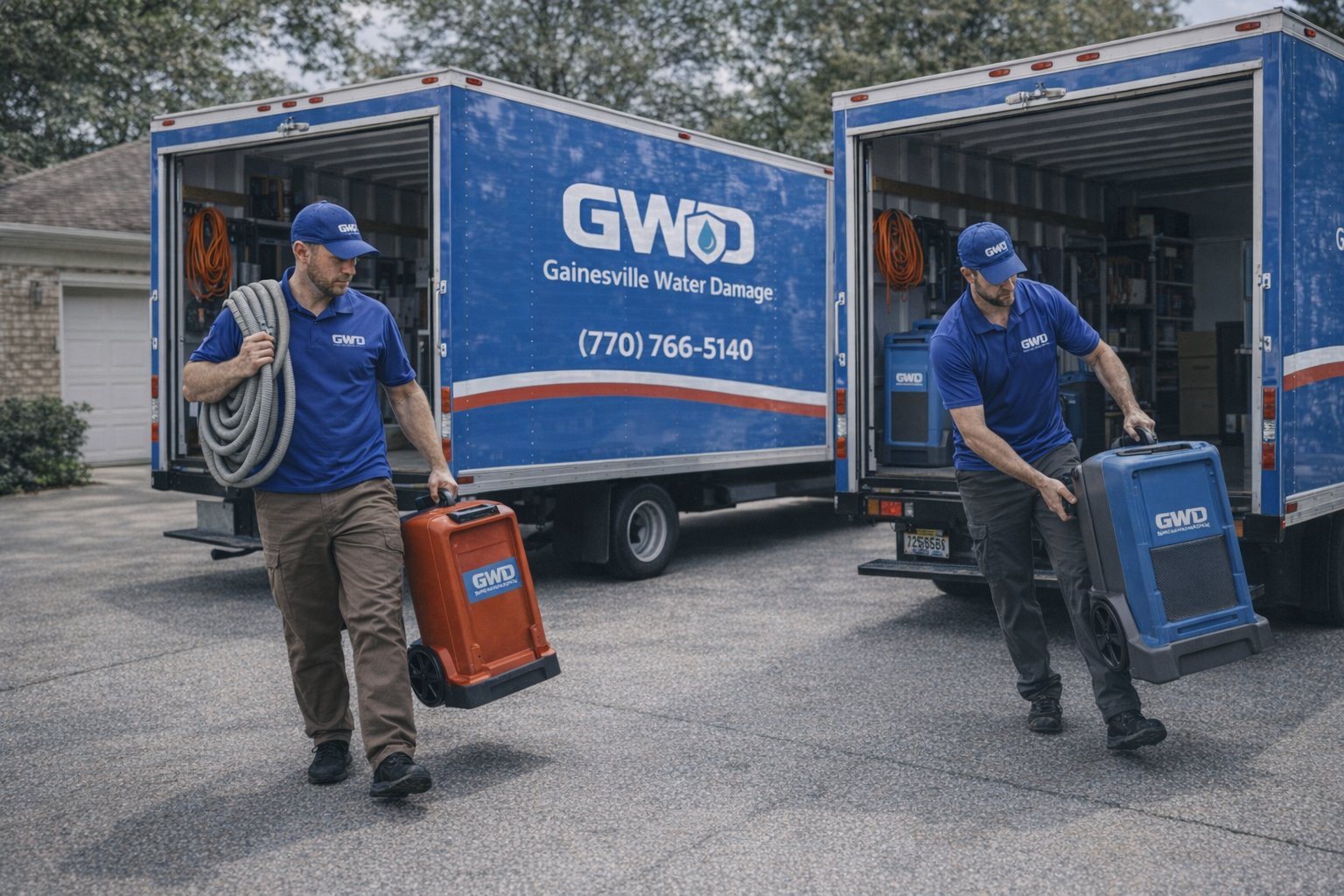
Depending on the situation, that can include extraction equipment, air movers, dehumidifiers, and moisture meters to track how drying is progressing.
Do I need help even if the surface looks dry?
Sometimes, yes. A surface can look completely dry while moisture is still sitting behind the drywall, under the flooring, or inside the trim.
Can I stay in my house during cleanup?
That depends on the water source, any safety hazards, which rooms are affected, and what the service team recommends. In general, stay out of areas with electrical hazards, sewage contamination, or other unsafe conditions.
What should I have ready for the first call?
Your property address, what caused the water, which rooms are affected, whether the source has been stopped, and whether contamination might be involved.
How much does water damage restoration cost?
It really depends on the scope of the work needed. If you have homeowners insurance, it will most often cover most or all of the cost, and we're happy to give you a quote when you call.